
A war has erupted between residents and their local council over big changes to laws around holiday rentals.
The US city of South Lake Tahoe has made it easier for short-term rentals to thrive in the resort city, a move that critics say will make it harder for year-long residents struggling to find affordable housing.
City council members last Tuesday adopted changes to the city’s Vacation Home Rental Ordinance that remove a required 150-feet buffer between such rental properties, the New York Post reports.
Instead of the spacing requirement, there will be a hard cap of 900 vacation rentals in residential areas come April 23.
Vacation property owners and managers praised the move. One vacation rental company claimed the buffer rule “blocked many homes from qualifying based on a neighbour’s permit”.
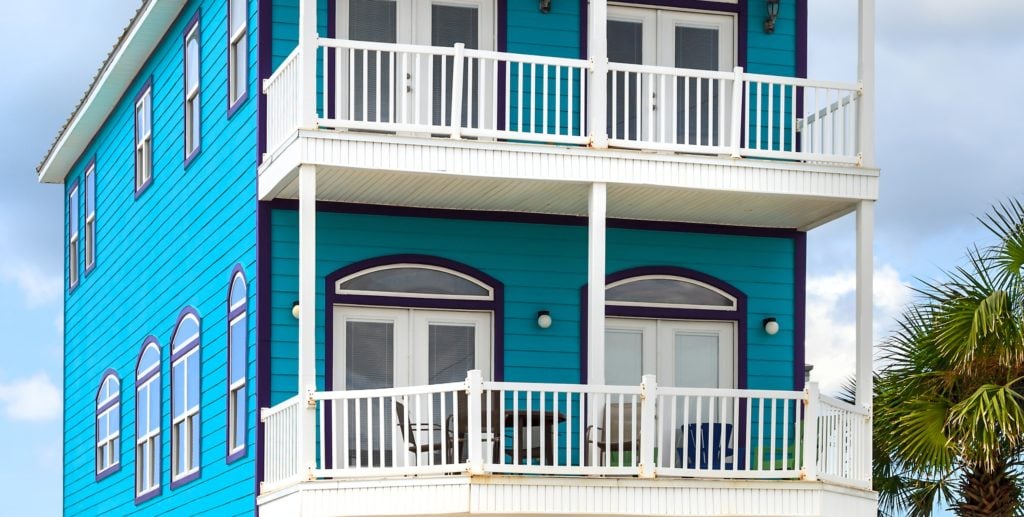
Now a flood of “mushroom homes” — compact, multi-level houses that eke out extra square footage but stay empty most of the year — is expected.
Roughly 300 properties that were denied permits can apply, the San Francisco Chronicle reported, adding to the 382 permits already approved.
MORE: ‘Petty’: Star slams Aussie neighbour in lawn act
Star hits back at rumours after bitter divorce
‘Mad’: Rove secretly vanished with $35m
Opponents to removing the buffer, such as Council member Scott Robbins, predicted the supply of housing will become more limited and therefore drive up housing costs for locals.
“Families have fled Tahoe to be replaced by retirees and second-home owners who don’t live here,” Robbins said.
“The result is a reduction in workforce, a reduction in businesses that serve local needs instead of tourist needs, and a catastrophic decline in school funding.”
The city of South Lake Tahoe has made it easier for short-term rentals to thrive in the resort city.
Already, there is a rush by companies to pressure homeowners to convert their properties to vacation rentals or they risk getting “permitted out,” Mayor Cody Bass said, according to the Tahoe Daily Tribune.
The housing crisis remains huge in South Lake Tahoe, with the affordable housing waitlist having grown dramatically, the Daily Tribune reported. There were 1173 people waiting as of January. More than 7000 of the city’s 16,700 housing units remain vacant and are primarily for short-term use, according to census data.
Council members who voted in favour of removing the buffer said the city’s economy will benefit and that even under the buffer requirement, permit numbers didn’t reach as high as anticipated anyway.
“Emotionally, I see this program as a way to bring more visitors into my neighbourhood,” said member Heather Horgan at a council meeting.
To add salt to the wound, the council also panned a proposal by Robbins to put restrictions on “second homes,” where future buyers would need a permit to use the housing as a vacation home. He wanted to cap vacation homes to around 30 per cent of the housing stock.
Now, residents are left to continue dealing with rising rental and home prices that only intensified during the 2020 Covid-19 pandemic. According to Zillow, the average home price in the city is $644,240 (AUD $932,000) and the average rent is $2800 (AUD $4050) per month.
“Almost all of the friends I have here live in houses with many, many people. And that’s just kind of how it works to live in Tahoe,” South Lake Tahoe resident Sophia Lodiagani told the Chronicle.
* Parts of this story first appeared in the New York Post and was republished with permission.








 English (US) ·