
Melbourne’s Ziino family including Jason, Rosina, Michelle, and Patrick, have had their home energy bills reduced by $3000.
A state-government run energy group is pushing Victorians to cut $3000 a year from their energy bills by plugging into home improvements worth as much as a second-hand car.
But amid growing evidence energy-efficient homes are setting price premiums as the city grapples with a cost-of-living crisis, experts have backed the call that could add to home values.
Estimates from the State Electricity Commission of Victoria suggest a $26,236 home upgrade today, about the cost of a used SUV, would effectively be returned to owners in the span of nine years as they cut energy bills in half with an all-electric fit out.
RELATED: Melb reaches shock new housing affordability low
How to save almost $3500 a year and beat interest rate pain
$30m deal wipes out Melb dementia beds
They are part of the organisation’s new Easy Electric SEC platform designed to help households work out what changes they can make around their home, and how long they will take to pay for themselves in savings.
The government-owned renewable energy company is working to help switch the state to wind, solar and energy storage systems instead of fossil fuels, and is now pushing for homeowners to invest in making their home cheaper to run by embracing solar to its fullest.
Changes modelled for the used-car scenario include the installation of a ducted heat pump for electric heating and cooling, a heat pump hot water service, adding an induction cooktop that is all paired with solar panels to reduce their operating costs — and disconnecting gas.
Easy Electric SEC website imagery shows what a high-energy household is spending today.
And what they might be able to cut their bills back to by going full electric.
At half the price, a $12,682 outlay would cover an electric hot water service, solar panels and an induction cooktop that would cut $1440 from annual bills and pay for itself in about nine years.
Alternatively, a $2771 heat pump system replacement for a gas hot water service using technology similar to that used for reverse cycle airconditioning would save the same household $624 a year and be paid off within four.
SEC executive general manager of consumer and innovation Sumone Chakravarti said in addition to saving money upgrades would typically add long-term value to homes.
“Electrifying our homes isn’t about ideology,” Ms Chakravarti said.
“Going electric can deliver meaningful savings, reduce exposure to energy price spikes.”
Melbourne’s Jason and Michelle Ziino, as well as their kids Rosina and Patrick, were among those to test the SEC’s pilot program for investigating home energy savings and have wiped in excess of $3000 from energy bills so far.
Solar panels allow owners to take full advantage of an all-electric property.
Ms Ziino said watching their bills drop had been a “big win”.
“We’ll soon be upgrading one of our vehicles to an electric vehicle and the savings on energy and fuel will help us put money towards a family holiday to the United States next year,” she added.
Sustainable homes developer and proponent Brendan Condon said the act of cutting off gas connections to homes would “collapse your energy bills” and in most instances slashed them from thousands of dollars to hundreds.
“It makes for a healthier household budget and drives climate action across the country,” Mr Condon said.
“We have the highest uptake of solar and battery use in the world and everyone in the country is benefiting from that in reduced costs — but also in grid stability with less outages.”
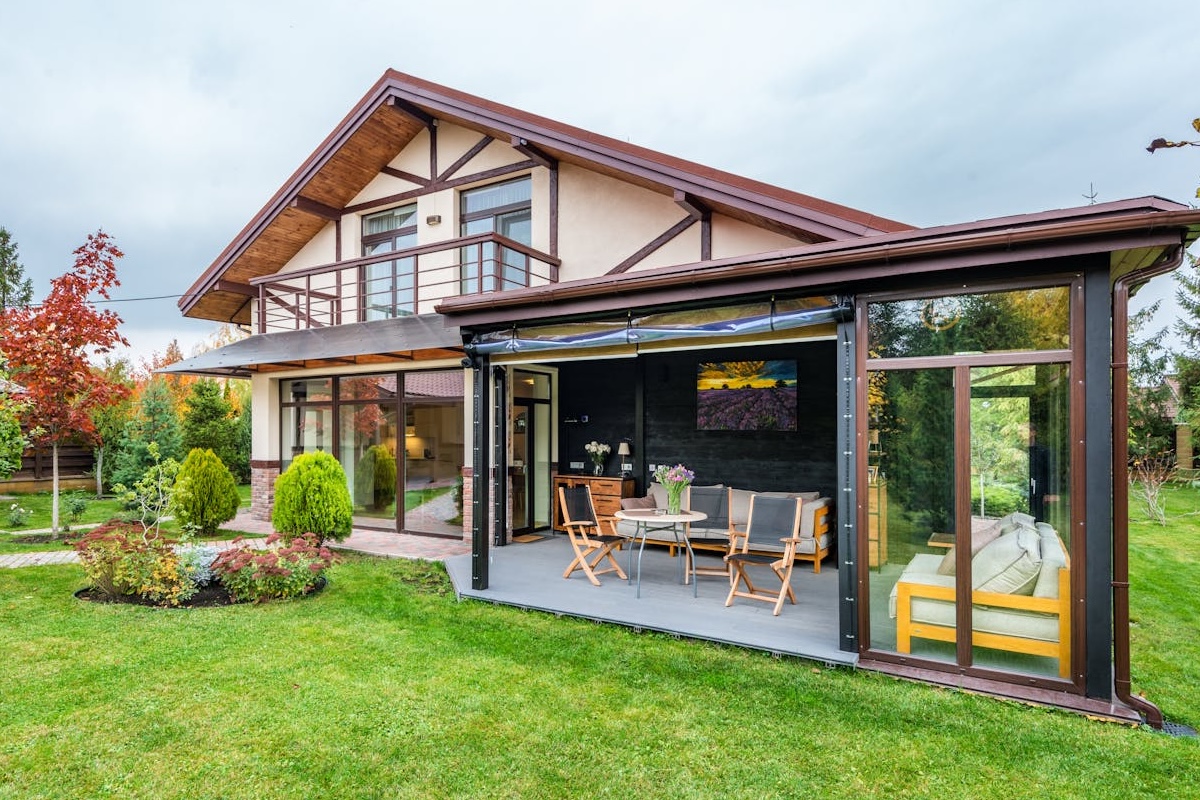
Homes across The Cape in Cape Patterson are highly energy efficient.
The estate has also proven profitable for owners, who have been getting premiums above the local area’s home values.
Receiving a Medal of the Order of Australia for his efforts earlier this week, he noted the Cape Patterson development he spearheaded’s records showed the ultra-sustainable homes in the estate, some with energy efficient scores as high as 10 stars compared to today’s 7-star standard, were today selling at a significant premium to other homes in the area.
The new Easy Electric SEC platform can also provide details on how long it will take for a new appliance to pay for itself in reduced bills, as well as higher level interventions to how the home uses energy such as solar panels and removing gas appliances.
SEC’s chief executive Chris Miller said the platform built on the insights they had garnered from thousands of Victorian families in almost two years of pilot programs.
Sign up to the Herald Sun Weekly Real Estate Update. Click here to get the latest Victorian property market news delivered direct to your inbox.
MORE: Bizarre AI animal hack selling Melb homes








 English (US) ·