
Construction costs are soaring to skyscraper-like heights.
A February rate hike is a live option for the RBA’s first meeting of the year, with the 28 January release of the December inflation numbers to play a pivotal part in the decision.
And in a strange case of irony, if the Consumer Price Index (CPI) shows we’ve been spending too much money on housing, the RBA will seek to rectify this by making us spend even more on housing.
Wait, what?
See, the housing costs measured in the CPI are for rent and construction, both of which have been up by a significant amount in recent years.
The November CPI release from the Australian Bureau of Statistics (ABS) had housing costs up 5.2 per cent year on year.
REA Group executive manager of economics Angus Moore said housing played a major role in the still too high inflation numbers.
MORE:Shock as 53 banks hike interest rates out of cycle
“Housing costs have a big impact on inflation,” Mr Moore said. “Increases to rents and construction costs have contributed to rising inflation over recent years.”
He noted that asking rents were up 4 per cent in the year to November, but said the rental market was easing.
“Rents broadly speaking have slowed down compared to a year ago, when they were at 6 per cent in the November 2024 CPI,” he said. “That’s helping bring inflation back down towards target.
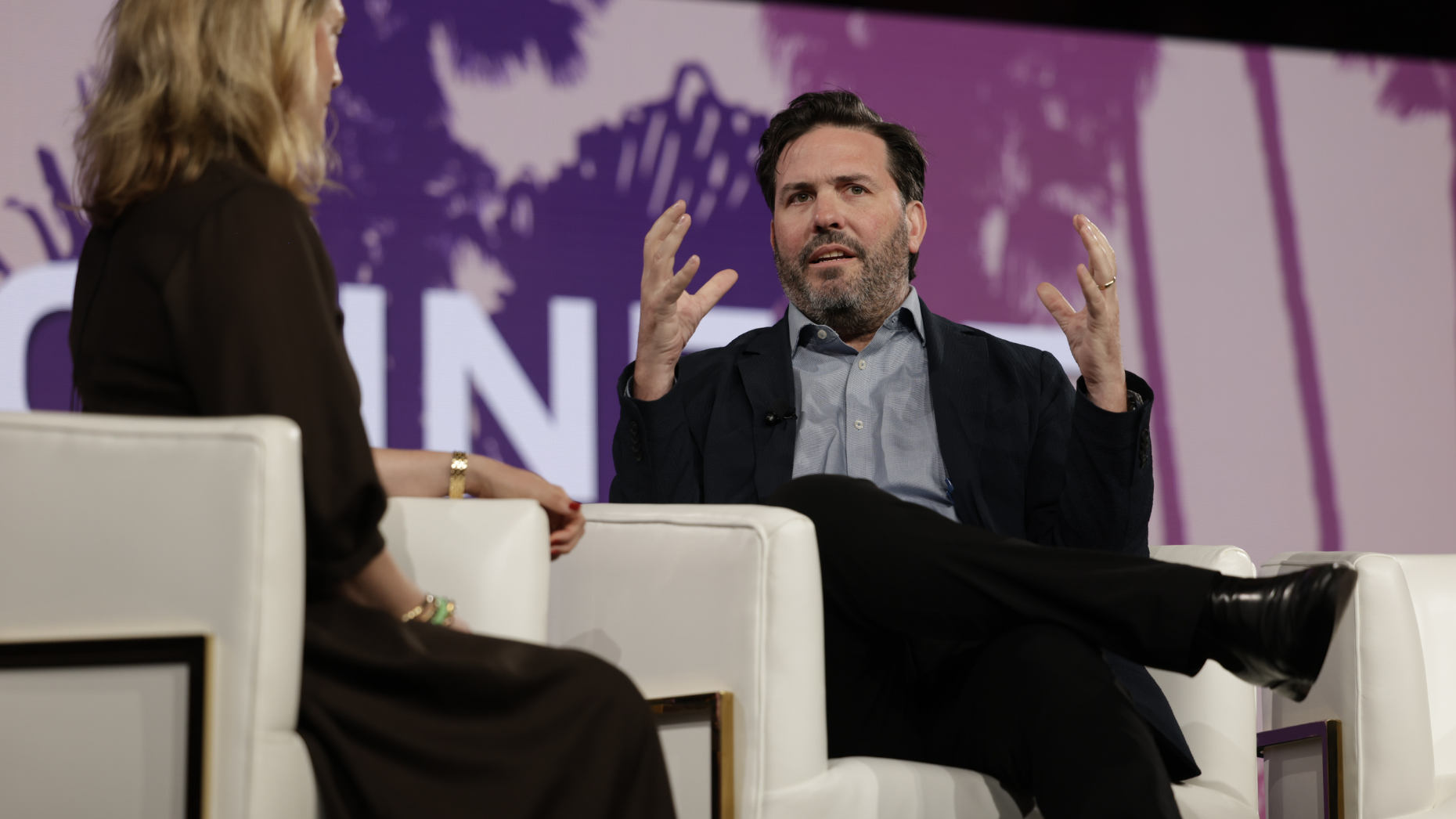
REA Group’s Angus Moore said housing had a big impact on inflation.
“Construction costs surged through the pandemic. They are still growing.”
Mr Moore noted the irony that high spending levels on housing, which are out of the control of mortgage holders, would result in further spending on housing in the form of higher loan repayments for mortgage holders if the RBA was to hike rates.
MORE:Clive Palmer’s $215m legacy grows
“It’s nasty when you put it like that, but that’s basically correct,” he said.
A look at the most recent CPI shows housing costs were weighted at 21.4 per cent of the entire CPI basket; a significantly larger proportion than most other measures.
Because of this, the 5.2 per cent housing cost increase accounted for 1.12 percentage points out of a total 3.4 per cent inflation figure for the month, nearly double the next biggest contributor, which was food and non-alcoholic beverage at 0.58 percentage points.
“Housing is one of the largest statistical weights in the CPI basket, and it has been the most persistent driver of inflation over the last year,” said Graham Cooke, head of consumer research at Finder. “(Rental) vacancy rates remain low but have been rising along with the cost of building.”
MORE:Big Aus bank delivers triple rate hike
Of course, people who rent properties can’t simply stop paying as much rent. Likewise, people who build properties can’t choose to pay less and still get the same home.
So, mortgage holders need to pay more in home loan interest, so they can’t spend as much elsewhere. This will also do nothing to bring down housing costs in the CPI, but rather reduce inflation in other areas as an offset.
Construction costs have surged since the pandemic. Picture: GettyImages
“Mortgage costs don’t feed into inflation,” Mr Moore said. “The effect of rate hikes flows through to less spending on minor areas of the CPI like food and alcohol.”
Alcohol and tobacco were weighted at 6.5 per cent in the November CPI, which means a spending reduction in those areas would have to be huge to make any kind of dent in the overall inflation numbers.
This week’s surprise drop in unemployment will also put pressure on the central bank for a rate hike, but Mr Moore believes the December data will be the main driver for the decision handed down on 3 February.
“We’ll have a better idea once we see the December quarter data,” he said. “Data in October and November was mixed, October was higher than expected and November perhaps a little bit lower.
“But it does look like inflation is a bit more persistent than what we were hoping for 6 months ago, so there’s a good chance we’ll see rate rises this year.
“Markets are only pricing in a one in four chance of a hike in February, but they do have hikes priced in by August.”
One consideration for the RBA at a February meeting is that December and January are two of the biggest spending months of the year, so can provide an inflation reading that is a little … inflated.
“The RBA understands there are typical seasonal spending patterns,” Mr Moore said, before adding that the growing popularity of Black Friday sales and other big spending events are beginning to make spending habits harder to predict.







 English (US) ·